

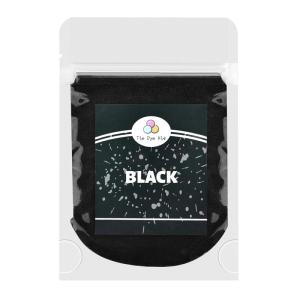
20g Powder Dye Fabric Dyes Textile Dyeing Garment Tie Dyeing Cotton Nylon Multifunctional Pigment For Old Clothes Refurbishment
2g dye powder mixed with 100ml(How much water affects color depth) warm water (50-70 degrees), shake well and dissolve before use, which is economical.Simple steps to get started1. Prepare a basin to hold appropriate water2. Soak the materials that need to be tie dyed in a container (at full temperature)3. Twist dry clothes4. Make the material into the desired pattern (any shape is also acceptable)5. Fix the shape with rubber bands6. Drop dye onto tie dye clothing7. Put it in the sealed pocket for 24 hours8. Rinse with clean water, remove floating color, and air dry9. Complete the productionTie dyeing is a traditional dyeing process that controls dye penetration by bundling fabrics to form unique patterns. Materials suitable for tie dyeing usually have good water absorption and dye affinity to ensure uniform and long-lasting color. The following are common suitable materials and characteristics:Cotton fabric:Such as pure cotton T-shirts, tea towels, or canvas bags, they have excellent water absorption and are easy to absorb dyes, achieving a gradient transition effect, making them an ideal choice for beginners. Cotton clothing is lightweight and breathable, especially suitable for summer items such as tie dye T-shirts or camisole skirts. Linen and ramie cloth: These fabrics have rough patterns, and after dyeing, the blending boundaries appear granular, making them suitable for making vintage style clothing such as tops or skirts. Ramie fiber also has a "breathing sensation" that enhances the natural texture of tie dyeing. Wool fabric: suitable for autumn and winter items, such as scarves. Tie dyeing can produce a texture effect like ice cracking, but it needs to be paired with protein based color enhancers to reduce fading, and attention should be paid to avoiding fiber pulling and deformation. Other materials: Synthetic fibers such as polyester are usually not easy to color (not recommended for use)
Attention:Before dyeing, natural fiber fabrics (such as cotton and linen) can be soaked in alum solution in advance to improve color fastness. It is recommended to wear gloves during operation to avoid direct contact of dye with the skin. Light colored or solid colored basic styles are more likely to highlight the beauty of tie dye patterns, and when paired, simple bottoms can be chosen to balance the overall look. If you are a beginner, it is recommended to start practicing with pure cotton white T-shirts or scraps, gradually exploring the characteristics of different materials.

GlobalLifestyle
Review
You May Also Like
OUDIFU | Custom DIY Material Plastic Board
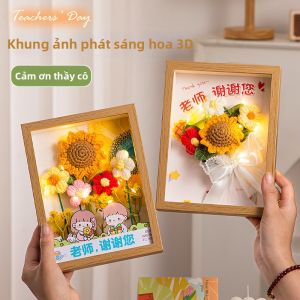
DIANDIANHUA | Handmade Teacher Gift with Sunflower and Preserved Flower

Desk Shelf Bookcases Shelf Table Top Shelf Rack Bookshelf Storage Simple Retractable Office Multi-Layer Small Bookcase Desktop Storage Rack Bookshelf
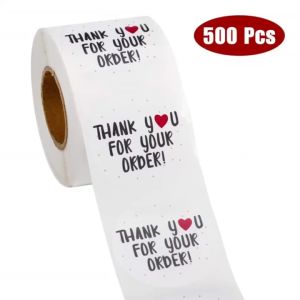
500 Pcs/Roll Thank You Sticker for Order for Purchase or Thank You for Support Business/ Various Occasion/ Baking/ Seal Stationery Sticker
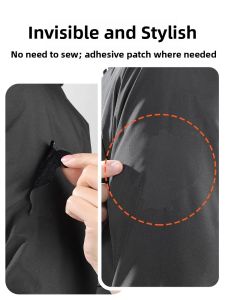
Quick-Dry Patch for Summer Lightweight Clothing Tear Repair Self-Adhesive Seamless Mending Pattern Fabric Patch
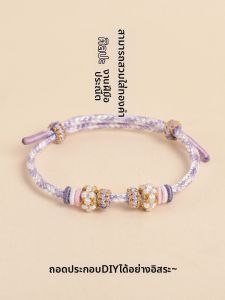
DIY Birthday Gift Hand Woven Bracelet Cord 3mm
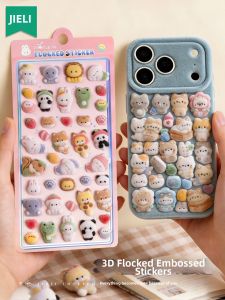
JIELI | Cute Pet 3D Decorative Stickers

ArtLiving Stackable A4 Paper Trays Desktop File Tray Document Paper Organizer Home Office Stationery Storage Holder
Protective Auxiliary Template Tape
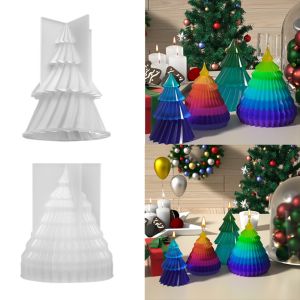
LAPBR Diagonal Striped Christmas Tree Candle Mold Silicone Conical Shaped Soap Mould Household Soft Craft Making

Circus Clown Paper Boxes Sticker Honeycombs Spiral Combination Party Favor Set for Colorful Birthday Event Holiday Tabletop