
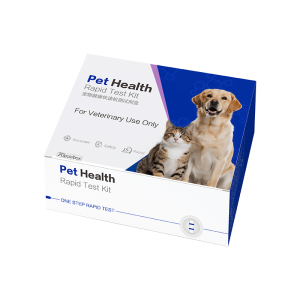
20 Sets of Canine Parvovirus Canine Distemper and Feline Parvovirus Antigen Detection Reagents

20 Sets of Canine Parvovirus Canine Distemper and Feline Parvovirus Antigen Detection Reagents
- CDV - Canine DistemperPathogen: Canine Distemper Virus, belonging to the Paramyxoviridae family.Primary Hosts: Primarily infects canids (dogs, wolves, foxes). Also susceptible in mustelids (ferrets, minks), raccoons, and some felids.Transmission: Mainly via airborne droplets (respiratory). Also through contact with secretions (ocular, nasal, urinary).Symptoms:Early Stage: Biphasic fever (two peaks), nasal discharge, cough, lethargy, anorexia.Mid Stage: Vomiting, diarrhea, pneumonia.Late Stage (Severe): Neurological signs such as seizures, paralysis, repetitive chewing motions ("chewing gum fits"). "Hard pad disease" may occur in recovered dogs.Diagnosis: Antigen/antibody rapid test kits, PCR, hematology.Treatment & Prevention: No specific antiviral exists. Supportive care is the mainstay (fluids, antibiotics, anticonvulsants). Core vaccination is the only highly effective prevention.2. CPV - Canine ParvovirusPathogen: Canine Parvovirus type 2 (CPV-2), belonging to the Parvoviridae family.Primary Hosts: Primarily canids; poses an extreme threat to puppies.Transmission: Fecal-oral route. The virus is highly stable in the environment (months to years). Spread via contaminated feces, fomites, etc.Symptoms:Enteritis Form (Most Common): Acute severe vomiting, hemorrhagic diarrhea (ketchup-like), profound lethargy, dehydration, anorexia. Drastic drop in white blood cell count.Myocarditis Form (Rare): Primarily in young puppies, often leading to sudden death.Diagnosis: Fecal antigen rapid test (most common), PCR, CBC (to monitor leukopenia).Treatment & Prevention: No direct antiviral treatment. Aggressive supportive care is critical (IV fluids, antiemetics, antibiotics). Core vaccination is essential. Puppies should avoid public areas until fully vaccinated.3. FPV - Feline Panleukopenia ("Feline Distemper")Pathogen: Feline Parvovirus, closely related to CPV.Primary Hosts: Primarily felids; also raccoons, minks.Transmission: Primarily fecal-oral; the virus is highly stable in the environment. Also transplacental.Symptoms:Similar to CPV: High fever, intractable vomiting, diarrhea, dehydration, lethargy.Characteristic Sign: A drastic reduction in all white blood cells (hence "panleukopenia").In Pregnant Queens: Can cause abortion, stillbirth, or cerebellar hypoplasia in kittens (leading to ataxia).Diagnosis: Fecal antigen rapid test, PCR, CBC (to confirm severe leukopenia).Treatment & Prevention: Treatment principles are identical to CPV, focusing on aggressive supportive care. Prevented by core vaccination (e.g., FVRCP).Specification: 20 tests/kitA Simple Rule for Pet Parents: Prevention > Treatment.#1 Rule: Vaccinate! Follow your vet's schedule for all core vaccines. Keep your puppy or kitten safe until their shots are complete. This is their best shield.

GlobalTechMart
Seller ratings 95%
Review

Oops
This video has no reviews.
You May Also Like

00:40
Slimplanet Chitosan 3000mg Fat Blocker & Weight Loss Supplement 15 Day Supply
00:34
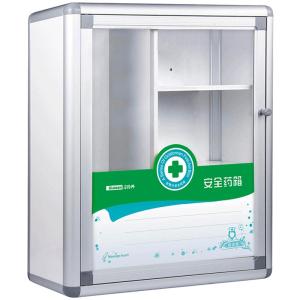
GOLDLONSEN | Household Wall-mounted Lockable Small First-aid Medical Box
00:19
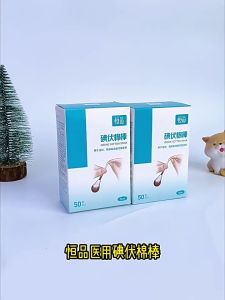
Disposable Iodine Cotton Swab Medical Alcohol Emergency First Aid Kits Stick Individually Wrapped for Travel Outdoor Bruise Care
00:23
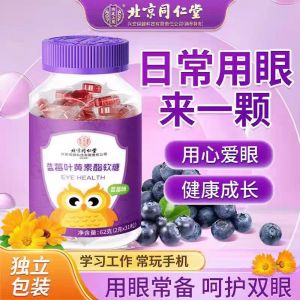
Beijing Tongrentang Blueberry Lutein Ester Gummies Improve Eye Fatigue Dry Eyes Blurred Vision Nourish the Eyes
00:54
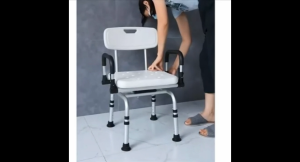
360° Rotatable Anti-slip Bathing Chair for Pregnant Disabled Elderly Shower Safety Chair
00:42
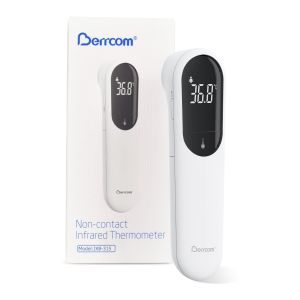
Berrcom JXB-315 Non Contact Infrared Forehead Thermometer with LED Screen Display and Dual Sensors for High Precise Instant Read Thermometer
00:40
First Aid Box Home Medicine 3 Tier Box Tool Box Multipurpose Emergency Storage Box By Thehomeshoppe

00:58
(Exclusive Set) TONGKAT ALI Cordyceps Ganoderma (2 Pack) | Immune System Tonify Kidney & Lung Good Sleep Fatigue Relief & Stamina | 120 Veg Caps
00:55
RHINO RESCUE Zip Stitch 6pcs with Wound Dresssings Wound Closure Strips Without Suture Zipstitch Laceration Closure Kit
00:43
1Pair Zipper Open Toe Compression Socks Lightweight Compression Socks Long Calf Compression Socks Venous Elastic Sock
![[SG Ready Stock]Emergency Heimlich Anti-Choking First Aid Device For Kids Adults Home Kit Strong Suction with 3 Masks](https://img.lazcdn.com/g/ff/kf/S9fa4e068e291427ab622c6fc53002381O.png_300x300q80.png)
00:32
[SG Ready Stock]Emergency Heimlich Anti-Choking First Aid Device For Kids Adults Home Kit Strong Suction with 3 Masks

00:13
Goat Milk Powder 500g | Susu Kambing Asli Muslim | VALUE PACK 500g
Hot Search
Bandai | 9 Pcs/Set Kawaii Q Princess 6cm Rapunzel Snow White Jasmine Mulan Ariel PVC Figurine Cake Ornaments Toys Giftapple crisp mix for dinnerBosie | Liquid Silicone Magnetic Protective Case百草膏Cuisinartairpods pro 3 replacement caseladies sandals rainsbrompton g line wheel extensionanime resin figurebattery terminal stud copperbamboo trayhendriks ginpolo capjbl pro tour 2oh momo