

Radon Detector Radon Real Time/Radon Long Term Average/Radon Short Term Average Measurement Range 0-270pCi/L
This radon detector is an efficient, portable device capable of monitoring radon concentrations in real time. Radon is a colorless, odorless, radioactive gas that can cause lung cancer and respiratory problems when exposed to high concentrations over a long period of time. Therefore, it is critical to use this instrument for radon monitoring in environments such as homes, building construction,schools, and public spaces. The device is easy to operate, just turn it on, place it in the detection area, and obtain radon concentration data in real time. Radon can enter buildings through crevices in floors, walls, and pipes, and detecting and controlling radon levels is important to ensure a safe living environment. With their ease of use and efficiency, our radon detectors are ideal for keeping your home and work environment safe.FQA:Q1: What is radon gas? Answer: Radon gas is a radioactive noble gas primarily originating from the decay of uranium in soil and rock formations. It typically infiltrates buildings through ground penetration. With a higher density than air, radon tends to accumulate in lower areas, particularly near floor surfaces. Q2: Does the radon concentration measured at floor level by the detector equal airborne radon concentration? Answer: No. Radon concentrations near floor surfaces may exceed those at elevated positions due to radon's higher density, which causes gravitational settling. Measurements taken directly on the floor reflect source-proximal concentrations, whereas central or elevated areas of the room may exhibit lower values.Q3: How long does the device require to display accurate readings? Answer: Measurement duration varies by operational mode: Rapid Mode: Delivers stabilized readings within 48 hours of initial activation.Long-Term Mode: Requires continuous monitoring for at least 7 days to establish spatial average concentrations. Closets and storage rooms: not frequently occupied, enclosed space, not representing living areas. Air conditioning vents, radiators, and in front of fans: airflow can dilute or disturb radon gas. On the floor or close to the ceiling: not suitable for breathing height.Direct sunlight or humid areas: affecting the operation of the instrument. Q4: Where should the detector be positioned? Answer: Bedroom/Living room/family activity room/ Basement/Study/ Home Office/Children's room/game room Location to avoid Adjacent to cracks in the exterior wall or foundation: These points may have abnormally high concentrations and do not represent the entire room. Kitchen and bathroom: frequent ventilation, large humidity changes, and severe interferenceQ5: Can this device test radon in water? Answer: This instrument is exclusively designed for air medium analysis. For aqueous radon testing, use dedicated hydro-radon testing equipment to prevent sensor damage. Q6: At what concentration threshold should corrective action be taken? Answer: Per WHO safety guidelines: 2.70 pCi/L (100 Bq/m³): Implement mitigation measures (e.g., enhanced ventilation, crack sealing). 8.10 pCi/L (300 Bq/m³) : Engage certified professionals for structural remediation. Q7: Why do radon readings exhibit sudden fluctuations? Answer: As a gaseous radioactive element, radon concentrations are dynamically influenced by: Atmospheric pressure changes Temperature/humidity variations Ventilation rate shifts (e.g., door/window operation) Intermittent soil gas infiltration Resolution:Maintain continuous monitoring for ≥48 hours Conduct critical measurements only after maintaining closed conditions for 12 hours

Prime Supply_Play Life
Review

You May Also Like
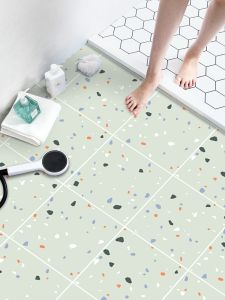
Thickened Self-Adhesive Waterproof Wear-Resistant PVC Floor Tiles Stickers for Bathroom Kitchen Toilet Bedroom Home Decor
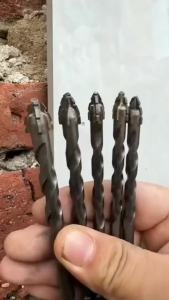
7Pcs Cross Hex Tile Drill Bit For Glass Concrete Ceramic Tile Hole Opener Tunsten Carbide Hard Alloy Bits Set Tools

DELIXI Electric | Household & Electrician Multi-purpose Pliers
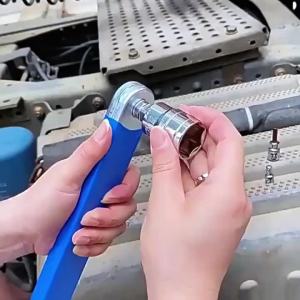
NiuXiang | Impact Offset Extension Wrench Kit 4Pcs Socket Drive Adapters Included Heavy Duty Hand Tool for Car & Motorcycle Maintenance

MENGMIAN | Non-Slip Door Threshold Ramp Pad

62700 Hydropower Pressure Booster FUTURE BEST 5FN STAR SHOWER HEAD
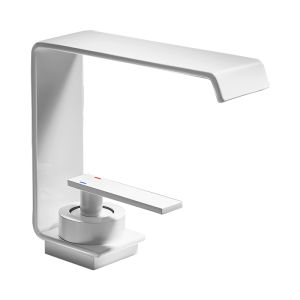
INSIHAY | Waterfall Faucet Home Use Wash Basin

Yi Se Dian Zi | Nylon Plastic Rubber Insulating Circular Washers
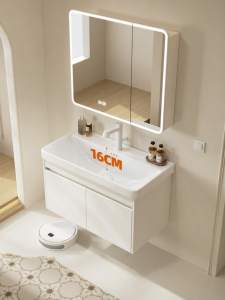
LANGXIANG | Narrow All-Aluminum Honeycomb Sink Cabinet 36cm
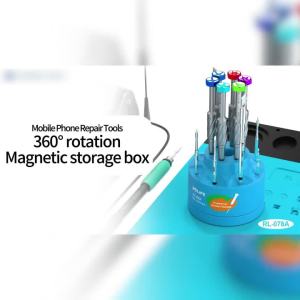
Aideepen | Screwdriver Storage Box 14 Holes Bit Holder 360° Rotating Magnetic Non-slip Base Soldering Iron Tip Organizer for Repair Tools

V Shape Flat Bottom 3.175 4 6 20° PCB Engraving Bit Tip End Mill Cutter Tungsten Carbide Wood Acrylic Plastic 3D Milling Cutter CNC Tools