

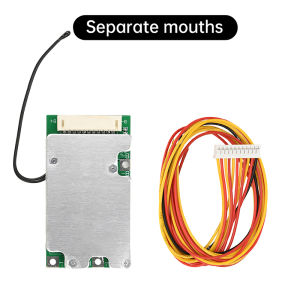
BMS 10S 36V 30A Lithium-Ion Battery Management Board with Balancing Function Electric Vehicle Battery Management Board
Product Features:1. Precisely monitors battery voltage to ensure the safe and stable operation of each cell2. Supports a continuous output of 30A, meeting the demands of high-performance electric vehicles3. Built-in balancing circuit to extend battery life and enhance overall performance4. Intelligent temperature control system to prevent performance degradation or damage caused by high temperatures5. Utilises high-quality MOSFETs and capacitors to ensure reliability and a long service lifeProduct Specifications:Charging voltage: DC 36VOvercharge protection, over-discharge protection, overcurrent protection, output short-circuit protectionMaximum operating current: 30A MAXContinuous discharge current: 20A MAXOver-discharge protection voltage: 2.6VOvercharge protection voltage: 4.25VCharging current: 20A MAXEquipment with equalisation charging function; equalisation voltage 4.2VTemperature protection: Discharge high temperature 75°C; charging low temperature -7°CSuitable battery types: 3.7V ternary batteries, lithium cobalt oxide, lithium manganese oxide batteriesWiring procedure:(1) Connect the ribbon cable to each cell of the battery, ensuring a secure connection. Ensure that the potential sequence at the ribbon cable plug end is either sequentially increasing or sequentially decreasing. The potential sequence must match that of the sockets on the protection board, with each potential corresponding one-to-one.(2) Solder the protection board’s B- lead to the battery pack’s common negative (B-) terminal. Ensure the solder joint is secure, reliable and has good electrical conductivity. Route the wires so that there is no risk of crushing or friction; the routing should be smooth and as short as possible. Avoid allowing solder, conductive objects or leads to fall into, stick to or come into contact with the interior of the protection board.(3) Connect the ribbon cable plug to the socket on the protection board. First, complete the soldering of the protection board’s B- lead to the battery pack’s common negative (B-) terminal. Then, connect the ribbon cable plug to the socket on the protection board, ensuring the connection is secure and that no live objects or leads come into contact with the protection board. Take appropriate measures to secure the connection.(4) Connect B+ and C- to the positive and negative terminals of the charging interface respectively. Ensure that other leads are properly isolated during the soldering process to prevent short circuits. Verify that the battery pack voltage at the discharge and charging interfaces matches the battery pack voltage, and that the polarity and wiring positions are correct.Note: As the same port is used for both charging and discharging and shares a single negative terminal (C-), only one lead is required. The charging and discharging MOSFETs are paired, and the charging and discharging currents through the same port are of equal magnitude.Package Contents:Lithium battery protection board *1Data cable *1

GlobalTechMart
Review

You May Also Like
PD2732U | 27" 4K Adobe RGB | Display P3 Thunderbolt 4 Creative Pro Monitor
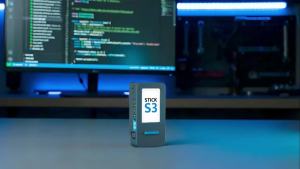
M5Stack | M5Stack STICKS3 Watch Accessory Kit ESP32-S3 8MB Programmable Controller BT WiFi For IoT Project Development

*Local SG Seller* AOC 43" 4K HDR 1000 Gaming Monitor (G4309VX/D) UHD 4K HDR1000 LED GAMING 144HZ QUANTUM DOT HDMI 2.1 | 3840 x 2160 at 144Hz – DisplayPort1.4+DSC | ● DisplayHDR 1000 ● Quantum Dot ● 1ms
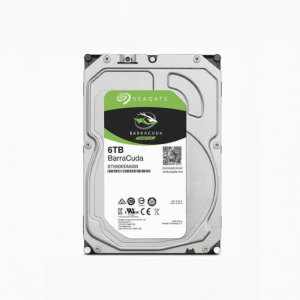
Seagate | Security Surveillance Storage Hard Drive 3.5 inch 6TB

BAIRUITE | Hexagonal Dual-Pass Spacer Copper Pillar
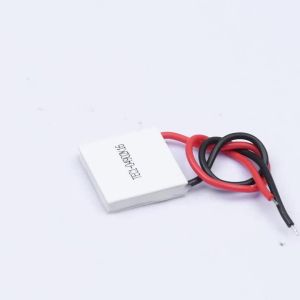
occkic | TEC1-04902 K16 DC 5V Thermoelectric Cooler 20*20MM 2A of Semiconductor Refrigeration Electronic Kit Mobile Phone Cooling Chip
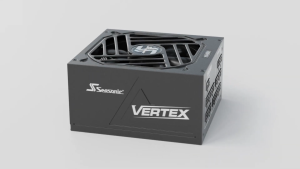
SEASONIC VERTEX GX-750 / GX-850 / GX-1000 ATX 3.1 / PCIE GEN 5.1 POWER SUPPLY 80 PLUS GOLD
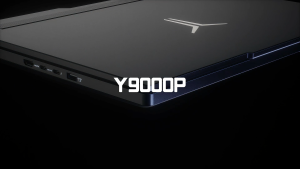
2025 Lenovo Legion Y9000P Gaming Laptop with Intel Core Ultra9 275HX & NVIDIA GeForce RTX™ 5080/5090 - 16" 2.5K 240HZ OLED 1TB SSD 16GB RAM New 1 Year Warranty
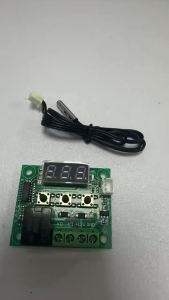
other | W1209 DC 12V Red/Blue Heat Cool Temp Thermostat Temperature Control Switch Temperature Controller

KTC 24" 1080P 165Hz FHD Office Work Monitor HDR10 VESA Adjustable Tilt HDMI VGA Rimless Monitor H24V27S
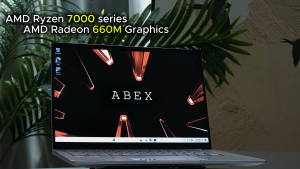
ABEX SAPPHIRE RZ14 | AMD Ryzen 5 | Slim & Ultra Lightweight 14" QHD Laptop | Work Student Office | 16GB Ram / 1TB SSD | SG Local Brand