
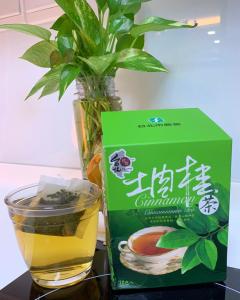
Taiwan Cinnamon (leaf) Tea 3g x 10 tea bag per box lowest coumarin contains worldwide cinnamaldehyde exceeds 80%
Taiwan's Indigenous Cinnamon Leaf TeaCinnamon: are you eating the right variety?If you like cinnamon, you should first know what coumarin is. Coumarin is a volatile and aromatic organic molecule commonly found in plants. It is widely used in perfume, cosmetics, medicine, rodenticides, etc. Is coumarin a poison or medicine? The dose is the key. In fact, the vegetables and Chinese herbal medicines we often eat contain very small amounts of coumarin. The Tolerable Daily Intake (TDI) of coumarin has been formulated worldwide to be 0.5 mg/kg body weight. Animal experiments have confirmed that it is hepatotoxic. The carcinogenicity limit has now been reduced to 0.1 mg/kg body weight. However, some cinnamon plants have higher coumarin concentrations, such as Ceylon cinnamon content of 7-90 mg/kg, and Cinnamomum cassia (also known as Chinese cinnamon) content of 85-310 mg/kg. Avoid prolonged or excessive intake. While Taiwan's indigenous Cinnamom (Cinnamomum osmophloeum), a native variety hidden in the deep mountains of Taiwan, has a coumarin content of 0.3-14 mg/kg, which is as safe as edible vegetables. Therefore, Taiwan cinnamon is a rare and safe variety that can be used for both medicine and food.Why do we only apply the leaves of Taiwan indigenous cinnamon?In the 1980s, Taiwan scholars discovered that the bark and branches of Taiwan cinnamon are rich in essential oils, especially the yield of essential oils in the leaves is 5 times higher than that of the bark. And the cinnamon leaves are rich in flavonoid glycosides too. The iron content is 8.2 times that of spinach, and the zinc content is 2.5 times that of shrimp. The sweetness is about 50 times that of sucrose. They can be easily and directly extracted with hot water. Since we don’t use cinnamon bark, there is no need to cut down the cinnamon tree, which is also very beneficial to the conservation of the environment.Declare:Our Taiwan indigenous cinnamon is certified as a Cinnamaldehyde type by the Taiwan Forestry Research Institute, and the content of cinnamaldehyde exceeds 80%.

UniqueHerbal
Review

You May Also Like
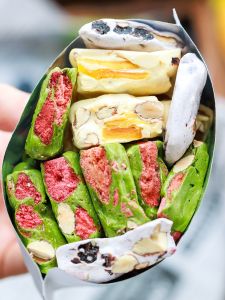
XUNCUIJI | Matcha Strawberry Almond Stuffed Nougat Candies
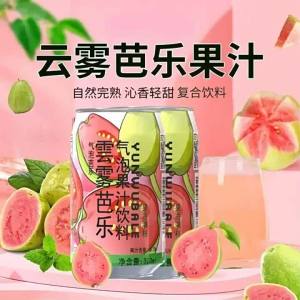
Special Bubble Pomegranate Juice Beverage

Noblesse Sauvignon Blanc Chile White Wine 12btls Ctn Promo!
Glenfiddich 15 Years 70cl 40%: Solera Vat Maturation and Warm Spice
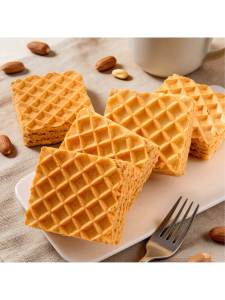
Crispy Office Gift Biscuits Peanut Butter Wafers
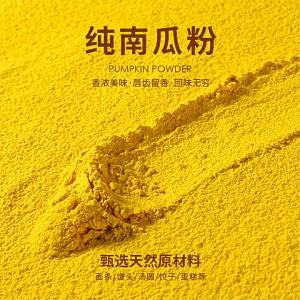
Natural Vegetable Powder Baking Special
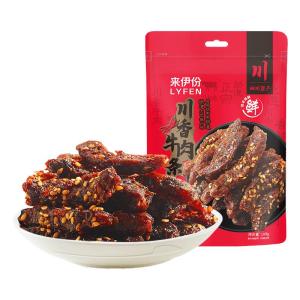
LAIYIFEN | Spicy Shadow Beef Jerky 100g
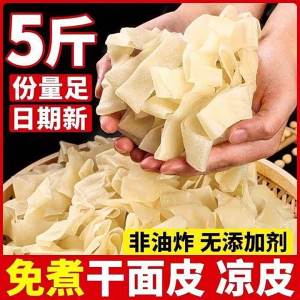
Authentic Shaanxi Handmade Cold Noodles Crystal Dry Snack Commercial Use
Home hand made Gluten dairy free crackers made in small batches (150gm)- goes well with cheese n dips(try our fresh dips with crakers
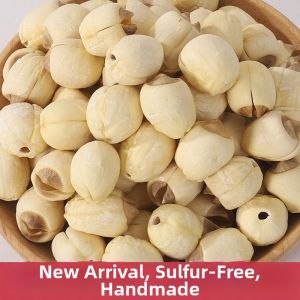
Hand Peeled Sulfur Free Lotus Seeds 500g
【SG Inventory】Solid instant black coffee sugar-free 0 fat coffee black coffee